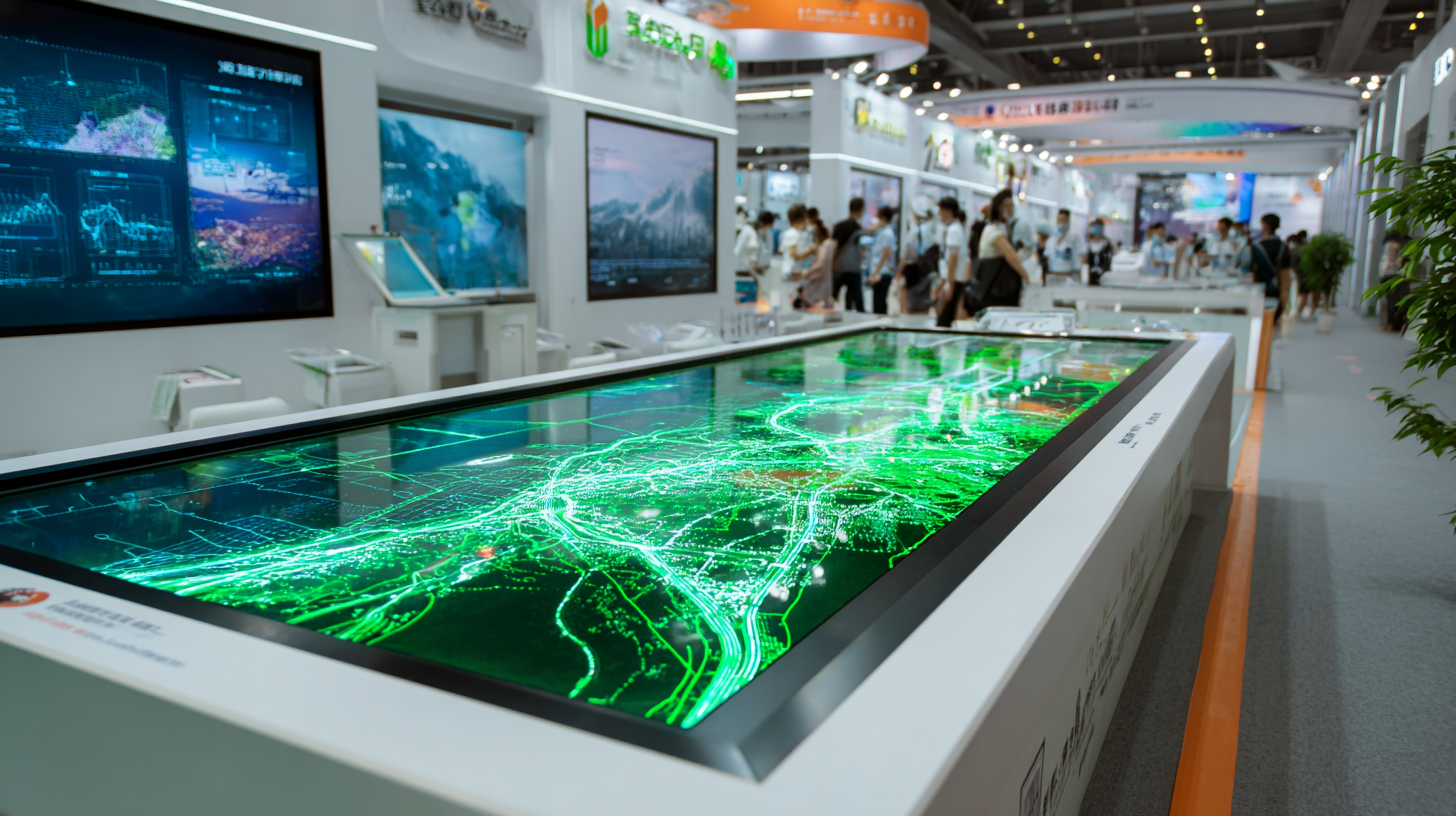
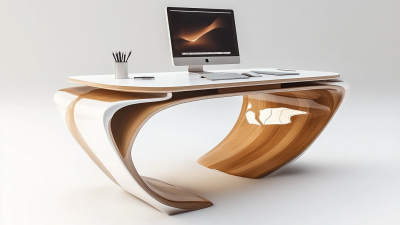
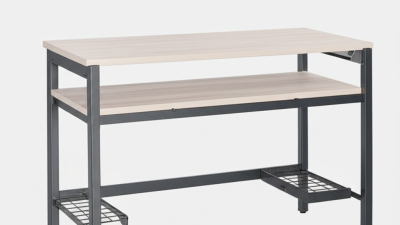
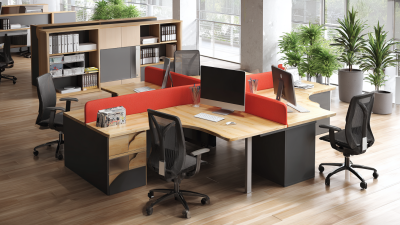
Hey there! So, the 138th Canton Fair in 2025 is really shaping up to be a key event for anyone interested in the latest trends in Computer Table design. It’s a great spot to see how the smart office furniture scene is evolving — everything's becoming more tech-savvy and ergonomically friendly. Just a heads-up: industry folks are expecting the global smart office furniture market to hit around USD 45 billion by 2026, mostly because folks are blending technology with smarter, more comfortable workspace setups. At Guangdong Junshi Intelligent Furniture Co., Ltd., we’re super excited to be leading the charge in this space. We’re constantly mix-and-matching innovative tech with user-friendly designs. Our R&D team is passionate about creating smart Workspace Solutions that really meet the needs of governments, big companies, and institutions alike. This year at the fair, we’ll be showing off our newest Computer Table designs — they’re a perfect mix of style and practicality, all with the goal of transforming office spaces and making work more comfortable and productive for everyone. Can’t wait to see what everyone thinks!
Key Design Innovations in Computer Tables Showcased at the Canton Fair
The 138th Canton Fair coming up in 2025 is really going to dive into the latest design trends for Computer Desks. It’s pretty exciting because you'll notice a clear shift toward moreergonomic, multi-purpose, and eco-friendly designs. As our digital workspaces keep changing, manufacturers are showcasing tables that do more than just support traditional computers—they’re now packed with features to meet the diverse needs of today’s users. Think better organization options, adjustable heights, and the use of sustainable materials.
A little tip: lighting can really make a difference. Integrated LED lights in desks not only boost productivity but also help reduce eye strain—pretty neat, right? And if you’re into a clutter-free setup, look for desks with built-incable management systems—that way, everything stays organized and neat.
There’s also a big trend towards
customization these days. People want to create workspaces that fit their personal style and needs. Modular components are super popular because they let you tweak your setup as your work changes, making things more comfortable and efficient. And sustainability? It’s more than just a buzzword now. Many brands are committed to using renewable materials and eco-friendly manufacturing practices, which is a big step forward for responsible design in furniture.
Another tip: when choosing a computer table, don’t forget to prioritize
stability and durability—these are key for long-term satisfaction. Also, pick a style that goes well with your existing décor so your workspace stays both functional and visually pleasing.
Sustainable Materials in Computer Table Production: Trends and Practices
So, at the upcoming 138th Canton Fair in 2025, there's this really exciting shift happening—it's all about using sustainable materials for computer desks and office furniture. It’s a pretty big deal because people are increasingly looking for eco-friendly solutions for their workspaces. I came across a recent report from Smithers Pira, and it predicts that the global market for eco-conscious office furniture is going to grow by about 12% every year through 2027. That’s pretty impressive! The main drivers here are the rising awareness about environmental issues and how much companies are realizing that sustainable manufacturing isn’t just good for the planet, but also beneficial for business.
At Guangdong Junshi Intelligent Furniture Co., Ltd., we're totally on board with these trends. We’re combining the latest tech with ergonomic designs to create smart workspace setups that are made using sustainable materials. Turns out, more than 60% of manufacturers are now making sustainability a top priority—using recycled or renewable resources in their production. This isn’t just about saving the environment, although that’s a big part of it. It also helps us craft furniture that looks good and works better for today’s modern office needs. Our talented R&D team is all about pushing these ideas forward, making sure our clients get state-of-the-art solutions that are good for the planet too.
Trends in Computer Table Design: Sustainable Materials Usage
Ergonomics in Computer Table Design: Meeting User Needs in 2025
As we get closer to the 138th Canton Fair in 2025, it’s pretty clear that ergonomics in computer table design has become more important than ever. With so many of us working remotely nowadays, a study from the International Ergonomics Association found that about 75% of home office setups just don’t meet proper ergonomic standards. That often results in discomfort and, honestly, a dip in productivity. So, designers are really focusing on features like adjustable heights, support for different postures, and materials that feel comfortable — all tailored to fit our changing work habits.
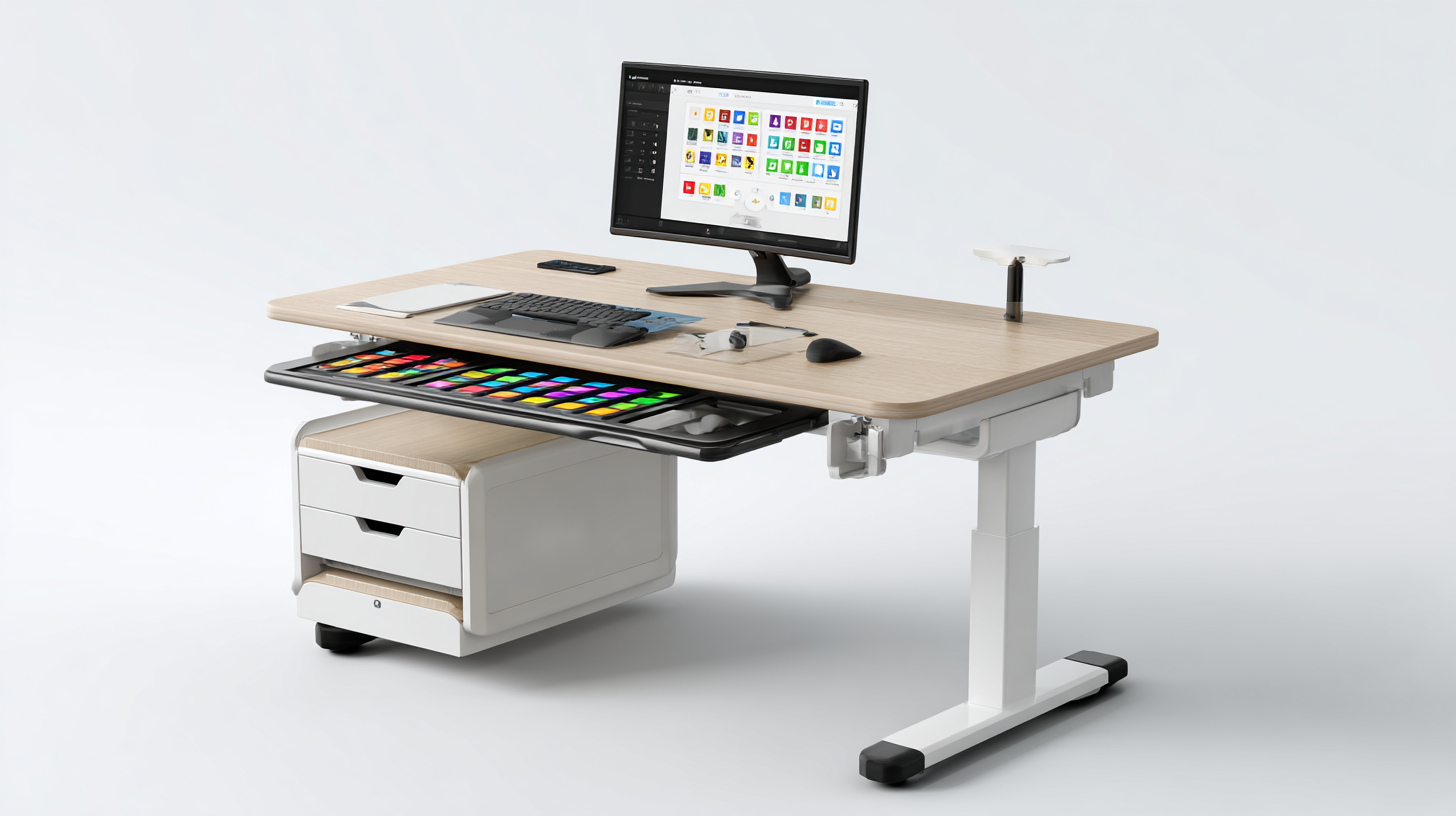
When you're out shopping for a computer table, here are a few tips that might help. First off, look for one with adjustable height. Being able to switch between sitting and standing can make a big difference in how comfortable you feel and even help avoid repetitive strain injuries. Also, check out the surface material — non-reflective finishes are nice because they cut down on glare from your screens, making your workspace less stressful on your eyes. And don’t forget to leave enough space for your documents and gadgets, so your desk stays organized and you don’t have to constantly shuffle things around.
Interestingly, industry reports are showing that designs focused on user comfort can boost productivity by as much as 20%. That really highlights how much ergonomics matters in our workspaces now. As manufacturers keep coming up with new solutions, it looks like by 2025, pretty much everyone will be working in more comfortable, health-conscious setups — which is really good news for all of us.
Market Analysis: Consumer Preferences for Computer Tables at the Canton Fair
So, the 138th Canton Fair in 2025 really showed how much consumer preferences for computer tables are changing. It was kind of a big moment for furniture design and what people are looking for in terms of function. With remote work becoming more common, folks are definitely on the hunt for ergonomic options that aren’t just practical but also stylish and comfy. This year, there was a lot of buzz around adjustable-height desks—people are definitely more aware of health and wellness now, and who doesn’t want to switch easily between sitting and standing? It’s all about trying to reduce the physical strain from sitting at a desk for hours.
Consumers are also really into sustainable materials these days. You saw a lot of designs using reclaimed wood and eco-friendly finishes—pretty popular trends that reflect a bigger push toward caring for the environment. Plus, tech features like built-in charging ports and better cable management are a big deal now. People want workspaces that are both good-looking and functional. Overall, what I gathered from this year’s fair is that the market is constantly evolving—buyers want furniture that adapts to their needs and cares about sustainability. It’s exciting to see how these trends will shape the future of computer tables!
Technological Integration in Computer Table Designs for Enhanced Functionality
At the 138th Canton Fair in 2025, one trend that really caught people's attention in computer table design is how tech is being integrated to boost functionality. You know, as schools and universities are leaning more towards inclusive practices, we've started seeing designs that cater to a whole range of needs. Things like adjustable heights, built-in charging ports, and even assistive tech features are making a huge difference for students with different requirements. These kinds of designs aren’t just about comfort or accessibility—they actually help create a more lively and engaging learning environment, encouraging everyone to participate and stay productive.
On top of that, you really notice the impact of Industry 4.0 tech in modern computer tables. For example, smart connectivity and ergonomic features are now pretty common, making workspace setups more efficient and user-friendly. There are even tables designed with sustainability in mind—multi-use, eco-friendly materials that are both functional and good for the planet. As folks become more health-conscious, features like adjustable monitor stands and laptop docks are basically becoming must-haves. All in all, these innovations show how the industry is dedicated to creating workspaces that aren’t just about getting things done but also about keeping users comfortable and healthy in the long run.
Global Influences on Chinese Computer Table Designs: A Comparative Study
So, at the 138th Canton Fair in 2025, they really showcased how computer table designs are evolving. It was pretty interesting to see how global trends mix with local craftsmanship in China. Basically, this comparison highlights how international influences are changing the look, functionality, and eco-friendliness of computer tables in the Chinese market. Designers are shifting towards more ergonomic features and minimalist styles that really click with folks everywhere — it’s like a reflection of how more people are paying attention to their health and lifestyle while working.
Thinking about picking out a computer table? Here are a few tips that might help:
1. **Ergonomics Really Matter:** Go for designs that support good posture. Adjustable heights and rounded edges can make those long hours at your desk so much more comfortable.
2. **Material Matters:** Pick sustainable stuff that’s tough but also eco-friendly. Bamboo or reclaimed wood are awesome options if you want to go green.
3. **Match Your Style:** Make sure your table fits with what you already have going on decor-wise. When everything ties together, your workspace feels more inspiring and inviting — it’s all about creating that perfect vibe.
These observations really shed light on how understanding global trends and tailoring them locally can shape the future of computer furniture in China. It’s kind of exciting to see how all this is coming together, right?
Exploring Trends in Computer Table Design at the 138th Canton Fair 2025
| Design Style | Material Used | Ergonomics Rating | Sustainability Score | Price Range (USD) |
| Modern Minimalist | Metal & Glass | 8/10 | 7/10 | 300 - 500 |
| Scandinavian | Wood | 9/10 | 9/10 | 400 - 700 |
| Industrial | Reclaimed Wood & Metal | 7/10 | 8/10 | 350 - 600 |
| Gaming Desk | Wood & Plastic | 8/10 | 6/10 | 200 - 400 |
| Convertible Desk | Metal & MDF | 9/10 | 8/10 | 500 - 900 |
Revitalizing Workspace Design: Insights from the 2023 Global Office Furniture Market Report on Lacquered Coffee Tables
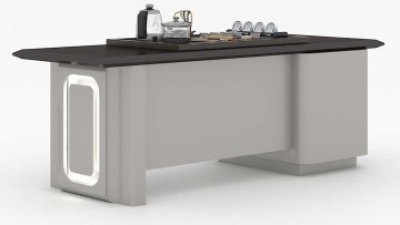
The 2023 Global Office Furniture Market Report highlights a transformative trend in workspace design, particularly the integration of luxury and functionality in furniture pieces. A prime example of this is the JunShi Intelligent Furniture lacquer tea table, which perfectly embodies modern business elegance. With its mirror-level glossy texture, this tea table not only enhances the aesthetic appeal of any office space but also reflects a commitment to quality and sophistication. The use of metal paint spraying imparts a jade-like warmth, creating a harmonious environment where light and shadow play seamlessly, elevating the professional atmosphere.
This lacquer series offers three core selling points: visual aesthetics, functional innovation, and safety and environmental protection. Tailored for high-end corporate procurement, the JunShi tea table serves as a sophisticated social tool within the business context. Its anti-fouling, anti-scratch, and corrosion-resistant features ensure that it remains pristine despite daily wear and tear, making it ideal for frequent hosting and negotiations. The sturdy, thickened steel frame provides exceptional load-bearing capacity, allowing for the placement of various tea utensils and equipment without concern.
Moreover, the JunShi lacquered coffee table is designed with flexibility in mind, offering multi-size customization that meets the requirements of diverse settings—from executive offices to lounge areas. Its ability to adapt to different office styles makes it a versatile choice for any corporate environment. By thoughtfully combining elegant design with practical functionality, the JunShi tea table redefines workspace aesthetics, making every business encounter a visual delight.
FAQS
: The main trends include ergonomic and multifunctional designs, customizable features, eco-friendly materials, and technology integration such as adjustable heights and built-in charging ports.
Integrated LED lights enhance productivity and reduce eye strain, making the workspace more efficient and comfortable.
Users should prioritize stability and durability, as these factors significantly contribute to the usability and longevity of the table.
Workspace integration features, like built-in cable management systems, help keep electronic accessories organized and minimize clutter, promoting a more efficient work environment.
Global influences have introduced ergonomic features, minimalist styles, and a focus on eco-friendliness in Chinese computer table designs, reflecting health consciousness and lifestyle choices.
Sustainable materials such as bamboo and reclaimed wood are excellent choices for promoting durability and environmental responsibility in computer table designs.
Adjustable height features promote good posture and comfort, accommodating various user needs and fostering an engaging environment conducive to productivity.
Technological integration, including smart connectivity and ergonomic solutions, enhances functionality and supports an optimal workspace experience for diverse user needs.
Customization options allow users to tailor their work environments according to their preferences, adapting setups as work demands change to promote efficiency and comfort.
Choosing designs that fit existing décor helps maintain an aesthetically pleasing environment, which can elevate one’s workspace and inspire greater productivity.
Conclusion
So, the 138th Canton Fair in 2025 was really a big deal when it came to checking out the latest trends in computer table design. It was a great chance to see some pretty exciting innovations that balance functionality with style. One thing that stood out was how many exhibitors were really pushing for sustainable materials—it's clear that the industry is taking environmental responsibility seriously these days. Ergonomics also took center stage, making sure that these tables aren’t just good-looking but also super comfortable and efficient for everyday use.
From what I gathered, consumer tastes are shifting pretty quickly — folks want multi-use designs that come packed with tech to make life easier. There was even a cool comparison study showing how Chinese computer table designs are influenced by global trends, which is pretty interesting. Companies like Guangdong Junshi Intelligent Furniture Co., Ltd. are really leading the charge here, blending smart tech with ergonomic design to craft workspace systems that serve governments, businesses, and institutions alike. Overall, it felt like a glimpse into the future of workspaces, where innovation and sustainability go hand in hand.